Good enough for a small town
I wasn't looking for a career in hospitality. I was looking for a way out.
My job at a small-town newspaper had left me exhausted from a lack of structure. When I spotted an opening at a restaurant that promised, "No experience necessary. We will train," I jumped on it.
I believed there was order beneath the chaos, and I wanted in.
The owner didn’t show up to my first interview. He apologized and rescheduled. He was ten minutes late to the second one.
I told myself it didn’t matter. I needed something else, and this was something.
There were missed checks, schedules posted late or not at all, and pre-shift updates passed along like a game of telephone. Everything operated on improvisation.
I had imagined learning how people anticipated one another, how order emerged from pressure. Instead, I found myself watching disorganization spread.
Sections weren’t always assigned. Coordination seemed optional instead of built in. This wasn’t the controlled chaos I had read about.
One afternoon, he told me to pick up a two-top on the patio. I walked over with waters and found another server already there, two glasses in hand. There were two more already sitting on the table. The couple left without ordering.
What I hated most were the slow days.
Other servers disappeared into the back, talking with the kitchen, filling the silence. I couldn’t. I had to save my social coins for the tables.
So, I manufactured tasks. I wiped down check presenters that were already clean, slow enough to pass for purpose.
One day the owner walked in, watched me for a moment, and said, “Thank you for finding something to do.”
Not doing something. Finding something.
The job, I realized, involved performing for more than just guests.
A reviewer from a major city newspaper came in twice. Then came another mention in Food & Wine. Another in Texas Monthly. The write-ups were glowing.
The owner would come in after, energized, chest slightly lifted, like he had been personally validated. Big names, he said. Important people. This was the kind of service you’d expect in a big city, not a small tourist town. Proof.
But standing there, it didn’t feel like proof of anything except how low the bar was.
In a small town, low effort reads as excellence. Basic coordination reads as polish. If you can approximate something that looks like a bigger market, you don’t have to sustain it. You just have to hit it long enough for someone to notice.
Then came the lull after the holidays.
To compensate, the owner introduced happy hour. Discounted drinks and appetizers as a way to bring people in. But we often didn’t know what items were discounted until forty-five minutes into the happy hour window, operating on old information from the day before.
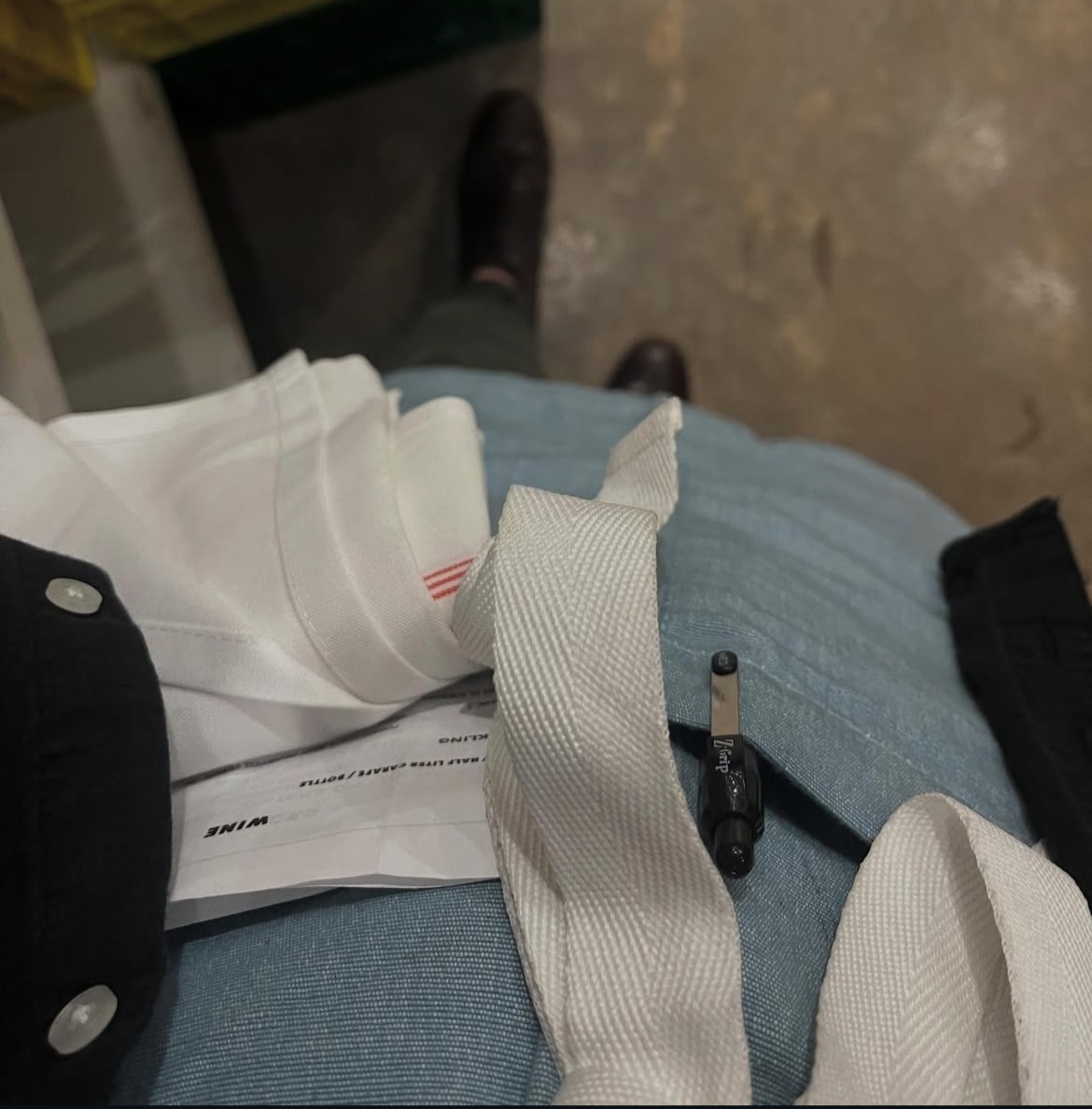
One afternoon, I was working the main dining room. I had just given a table the rundown on the specials, including the cap on half-priced bottles of wine—$125. I left them to decide and walked back to my place at the server station.
A minute later, the bar manager approached me.
“What’s the cap price on the wine bottles for happy hour?” she asked.
There was something off in her voice. Hesitation, a slight stutter. She was usually composed, confident.
“$125,” I said. “Why? Is that wrong?”
Had I been the unlucky one in this game of telephone?
She shook her head no. “Because the owner thought he heard you say $175 to the table. He wanted me to come over and ask.”
I looked past her, toward the bar. He had his back turned to me.
“I see,” I said.
I had spent months trying to adapt to a job that asked me to compensate for too much. I had pushed myself to be more outgoing, faster, and attentive. I had worked through the holidays with a sinus infection so severe my molars ached with pressure, smiling through conversations I barely had the energy to sustain. My hands cracked from the constant washing. My feet throbbed, even in comfortable shoes.
At least I never cried in the walk-in.
(Shelby Ligon - April 15, 2026)
Post a comment