New direction: Austin Animal Services changes leadership
Austin’s beleaguered animal shelter will soon have a new director.
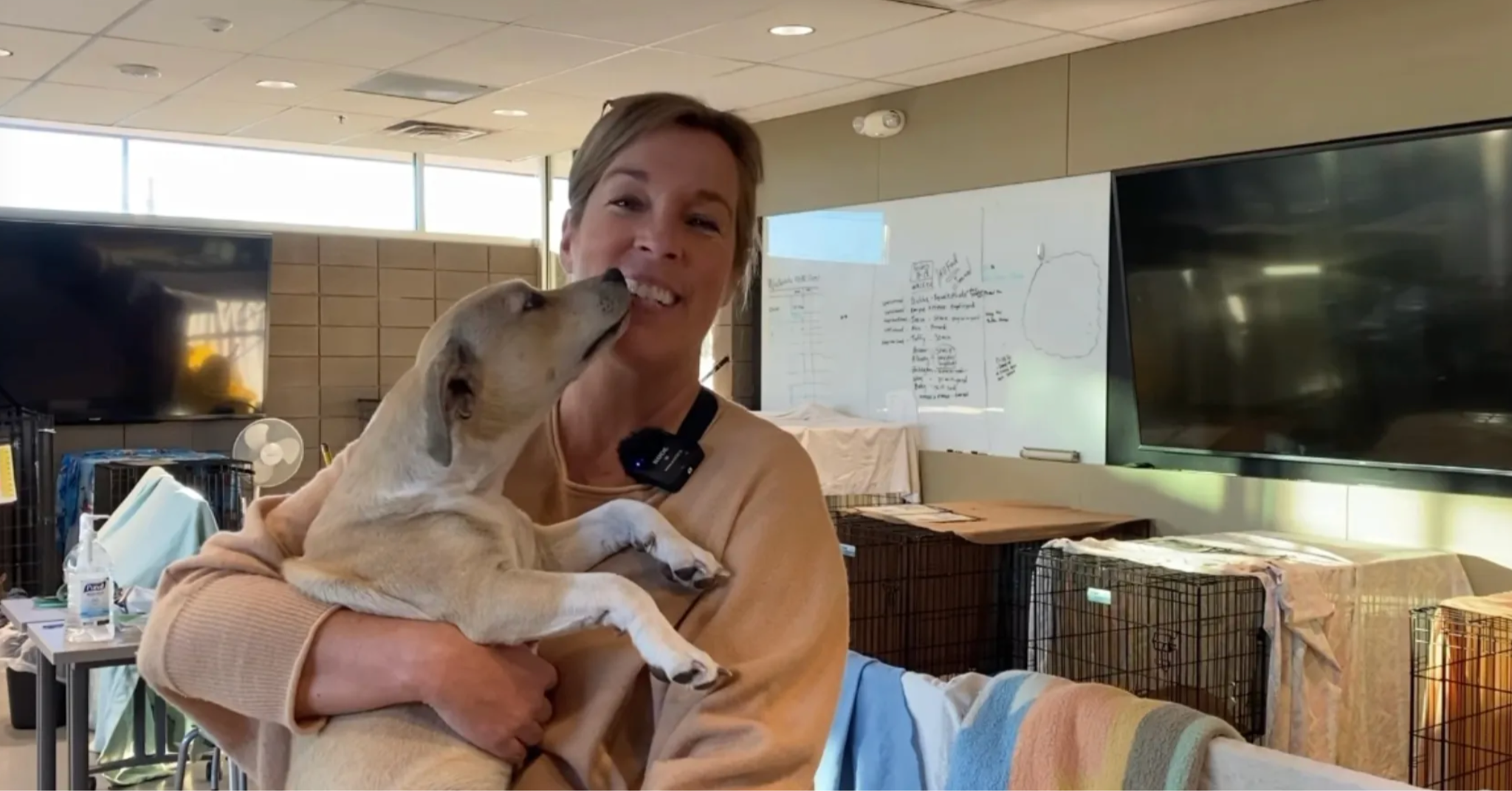
Beginning Feb. 2, Austin Animal Services will be run by Monica Dangler, who was most recently an executive consultant with the Riverside County Department of Animal Services in California.
Dangler inherits a shelter under pressure, one in which there have been concerns about mismanagement, over-capacity, closed intake, and diminished trust among the animal rescue community.
Austin City Manager T.C. Broadnax has termed this a “critical moment” in the shelter’s life. But, he said, he is “confident that Ms. Dangler will be a strong leader who will steward the city’s commitment to animal welfare, implement the department’s five-year strategic plan, and bring together regional animal welfare partners.”
Craig Nazor, former chair of the Austin Animal Advisory Commission, agrees. “It’s good news,” he said.
At the Riverside County Department of Animal Services, Dangler created a strategic plan to, among other things, reduce unnecessary euthanasia, implement data-driven decision-making, and improve alignment between field, shelter, and community programs.
Dangler also served as director of Pima Animal Care Center in Tucson, Arizona, director of PAWS Shelter of Central Texas in Kyle, and managed Austin Pets Alive!’s volunteer program.
“I am honored to join the City of Austin and Austin Animal Services at such an important moment,” she said. “Austin is a national leader in lifesaving and community engagement, and I look forward to working alongside staff, volunteers, partners, and residents to build on that foundation.”
Dangler, who has more than 15 years of experience with animal shelters, emphasizes the need for collaboration, and sees data-driven programming as crucial, particularly for spay and neuter initiatives and veterinary access.
Targeting specific areas and populations, Dangler notes, allows shelters to maximize impact. “Our first priority,” she said, “ is taking care of the pets coming in or the people bringing pets to us.”
No-kill mandate
Austin began its search for a new shelter director after Don Bland, the former chief of animal services, was placed on administrative leave last March. The Animal Advisory Commission issued a vote of no confidence in Bland in 2022, citing overcrowding, data issues, and mismanagement.
The position drew 55 applicants, which an external search firm narrowed down to three: Dangler, Lee Ann Shenefiel, Senior Director of Community Programs at Austin Pets Alive!, and then-Interim Animal Services Director Rolando Fernandez Jr.
Fernandez took over from Bland last April and was told to implement a March 2025 strategic plan aimed at improving shelter conditions. But under his leadership, Austin Animal Services has not been consistently meeting the city’s no-kill 95 percent live outcome rate.
The hiring process fueled frustration among some residents, volunteers, advocacy groups, and rescue partners. During a packed Animal Advisory Commission meeting in December, speakers argued that the handling of the no-kill policy had contributed to chronic overcrowding and intake closures. Some emphasized that the root of the problem was leadership.
“This is an extremely complicated field,” said Austin Pets Alive! president and CEO Dr. Ellen Jefferson. “The only school for it is hands-on experience.”
According to Jefferson the city already has ample resources and a comprehensive strategic plan but struggles with execution. For the execution to succeed, she said, Austin’s shelter director must bring program-building experience, coalition-building skills, and a proven track record running an open-intake shelter at a 95 percent save rate.
Challenges ahead
A 2023 city audit documented inhumane conditions at the shelter. More than two years later, critics charge, those conditions have not improved.
In December the city reported that a highly contagious but non-fatal canine pneumovirus outbreak had affected the shelter, with some 10 dogs still showing symptoms as of mid-January.
“The most basic standards of humane care continue to slip,” said Julie Oliver, a shelter volunteer. She noted that dogs are still being kept in crates, which the city’s auditor had said was inhumane and allows diseases to spread quickly.
Other critics have focused on operational issues, including the shelter’s behavioral assessment system. At the December meeting, speakers described dogs being labeled public safety risks based on incomplete or outdated information but then thriving in foster or adoptive homes.
“These labels follow animals indefinitely, and routinely place them on a path toward euthanasia,” said volunteer Heather Myers, “even when real world outcomes later prove those assessments were wrong.”
Another issue the new director will have to face is limited finances. As part of a citywide tightening of departmental budgets for the current fiscal year, funding for contracts for emergency and orthopedic surgery vet services was reduced by $586,000 to prioritize medicine and medical supplies, public safety, microchipping, and spay and neuter services. As a result, the shelter was no longer able to pay for the treatment of sick or injured animals brought into the emergency clinic by the general public.
To help address that, last November Council Member Krista Laine sponsored an amendment to the city budget to reallocate $100,000 to provide a year of overnight medical services for injured animals found within the shelter’s service area. The amendment passed.
During the Animal Advisory Commission meeting on Jan.12, interim director Fernandez said that the animal center will now allow residents with an injured animal to bring it to Central Texas Veterinary Specialty & Emergency Hospital for triage and pain management, but will be asked to care for the animal overnight if they are able and surrender it to the shelter the next day. “So we don’t have to pay for that after-hour care and can extend our budget for medical care,” he said.
Diminished trust
One more obstacle confronting Dangler was also documented in the 2023 audit. In addition to serious issues at the shelter, it also found strained trust between leadership and volunteers, a problem that persists.
“Over the years, we’ve heard multiple accounts describing volunteers and employees being terminated after raising concerns, something that is still happening,” said volunteer Myers. “Whether or not individual actions are defensible, the patterns reflect a leadership culture that discourages feedback and erodes trust.”
Dangler described proactive measures to help restore trust, such as an open-door policy to encourage communication, regular check-ins, limiting over-reliance on the same individuals to prevent burnout, and working with partners to fill resource gaps.
“We’re all one team,” she said, noting that staff, volunteers, nonprofit partners, and the community must work together to achieve life-saving outcomes. “We can’t do it alone.”
This article was originally published on Jan. 21, 2026 on www.austinfreepress.org.
Post a comment